Private Research Firms Are Reshaping the Rankings Industry

Supervising Rankings
- Capital Ranking
- Advisory Ranking
- Healthcare Ranking
- Wealth Ranking
Contact: [email protected]
First Published
Updated On
Private research firms have become major producers of global rankings across industries and professional sectors
These organizations combine proprietary data analysis with benchmarking methodologies to evaluate institutional performance
As demand for specialized insights grows, private research firms are expanding the scope and influence of ranking systems

In recent years, private research firms have emerged as influential actors in the global rankings industry. While universities and academic institutions played a foundational role in developing early benchmarking systems, private-sector research organizations have significantly expanded the scope and reach of modern rankings. These firms specialize in collecting large datasets, analyzing market trends, and developing evaluation frameworks that compare institutions, companies, and industries. Their rankings often focus on sectors where reputation, performance metrics, and strategic positioning play critical roles, such as finance, technology, consulting, and professional services. As the demand for structured comparative analysis increases, private research firms are becoming central contributors to the evolving ecosystem of global benchmarking systems.
Specialized Research Firms Expand the Scope of Benchmarking
Private research firms have been instrumental in broadening the range of sectors covered by modern rankings. While early ranking systems often focused on universities or national competitiveness, private-sector research organizations have introduced benchmarking frameworks that evaluate performance across specialized industries.
Many research firms concentrate on sectors where reputation and expertise are particularly important. Professional services industries—such as consulting, legal advisory, financial services, and wealth management—frequently rely on external benchmarking systems to help clients assess the capabilities of firms operating in complex markets.
In these sectors, direct performance metrics may be difficult for outsiders to evaluate. Clients selecting a consulting firm or financial advisor may lack detailed information about the firm’s track record, technical expertise, or international capabilities. Rankings developed by research firms can therefore provide useful signals regarding institutional credibility and market reputation.
Private research organizations often develop methodologies tailored to the specific dynamics of each industry they evaluate. For example, rankings of consulting firms may consider factors such as client engagement scope, sector specialization, and geographic presence. Wealth management rankings might incorporate indicators related to cross-border advisory capabilities, family office services, and regulatory expertise.
Because these research firms operate within specialized sectors, they often possess detailed knowledge of industry structures and competitive dynamics. This expertise enables them to design benchmarking frameworks that capture aspects of performance not reflected in broader rankings.
The result has been the emergence of highly specialized ranking ecosystems across many professional fields. Industries ranging from digital marketing to venture capital now have benchmarking systems that evaluate firms according to sector-specific indicators.
By expanding benchmarking into new domains, private research firms have helped transform rankings into widely used analytical tools across multiple sectors of the global economy.
Proprietary Data and Methodologies Drive Ranking Innovation
One of the distinguishing characteristics of private research firms is their reliance on proprietary datasets and analytical methodologies. Unlike some academic rankings that rely primarily on publicly available information, research firms often collect specialized data through surveys, industry interviews, and subscription-based databases.
This approach allows research organizations to develop ranking frameworks that incorporate information not readily accessible to the public. For example, firms may conduct detailed surveys of industry professionals to assess reputation within specific markets. Others may analyze confidential datasets related to corporate transactions, advisory mandates, or investment performance.
These proprietary data sources enable research firms to create ranking methodologies that reflect the operational realities of the industries they analyze. By combining multiple indicators—both quantitative and qualitative—these firms attempt to produce more nuanced evaluations of institutional performance.
In addition to data collection, many research firms invest heavily in analytical tools that enhance the sophistication of their benchmarking frameworks. Statistical modeling techniques are often used to normalize datasets, account for variations in market conditions, and ensure comparability across institutions operating in different regions.
Research firms also frequently update their ranking methodologies to reflect evolving industry dynamics. As new technologies, regulatory frameworks, or market structures emerge, evaluation criteria may be revised to capture new dimensions of performance.
For instance, rankings of technology companies may increasingly incorporate indicators related to digital infrastructure, cybersecurity capabilities, or artificial intelligence adoption. Similarly, financial sector rankings may adjust their methodologies to account for changes in regulatory environments or emerging financial technologies.
The ability to continuously refine analytical frameworks allows private research firms to maintain the relevance of their rankings in rapidly evolving industries.
Rankings Become Part of the Professional Services Economy
As private research firms have expanded their role in the rankings industry, benchmarking systems have increasingly become embedded within the broader professional services economy. Rankings now play an important role in how firms communicate expertise, build reputation, and compete for clients.
Many professional services firms prominently display ranking recognitions in marketing materials, corporate websites, and business presentations. Appearing in respected rankings can enhance credibility and help differentiate firms within highly competitive markets.
For clients, rankings provide a starting point for evaluating potential service providers. While rankings alone are rarely sufficient for selecting advisors or consultants, they can help narrow the field by identifying firms that are widely recognized within their sectors.
This dynamic has created a feedback loop between ranking organizations and the industries they evaluate. Firms seek recognition in rankings because it strengthens their market positioning, while ranking organizations rely on industry participation to gather data and maintain the credibility of their benchmarking systems.
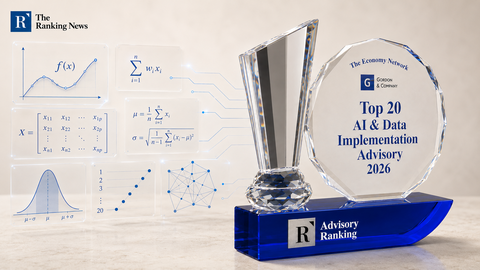
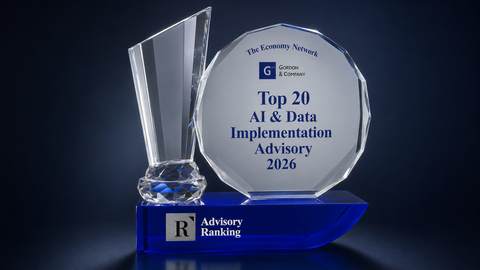
The economic dimension of rankings has also grown as recognition programs and licensing arrangements become more common. Some ranking organizations offer firms the opportunity to license award badges or promotional materials associated with ranking achievements. These arrangements allow companies to incorporate ranking recognition into their branding and marketing strategies.
While such practices have generated debate about potential conflicts of interest, they also reflect the increasing economic importance of rankings as reputation signals within professional markets.
Despite these debates, the influence of private research firms in the rankings industry continues to expand. As businesses and institutions seek clearer ways to evaluate performance and credibility within complex markets, demand for structured benchmarking systems is likely to remain strong.
In this evolving landscape, private research firms occupy a distinctive role. They combine analytical expertise, proprietary data collection, and sector-specific knowledge to produce rankings that influence decision-making across industries.
Together with academic institutions, media organizations, and data analytics firms, these research companies form an increasingly interconnected ecosystem of organizations shaping how performance is measured in the global economy.
Supervising Rankings
- Capital Ranking
- Advisory Ranking
- Healthcare Ranking
- Wealth Ranking
Contact: [email protected]
Similar Post