Top 30 Diagnostic Imaging Providers 2026

Review categories
- Diagnostic Imaging Providers
- Pathology & Laboratory Networks
- Genetic Testing & Genomics Providers
- Preventive Health Screening Providers
- Precision Medicine Diagnostics Providers
- Clinical Trial & Research Laboratories
- Mobile & At-Home Diagnostics Providers
- AI-Enabled Diagnostics Providers
[email protected]
Authored on
Modified
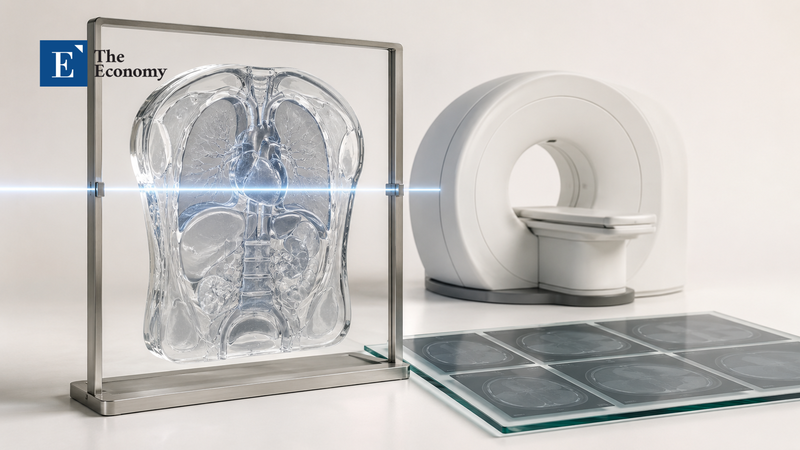
This report forms part of The Economy Rankings Healthcare Ranking series, which evaluates hospitals, medical institutions, pharmaceutical organizations, medical technology companies, diagnostics providers, laboratories, precision medicine platforms, and healthcare systems across global healthcare markets.
Diagnostic imaging providers occupy a foundational position within modern healthcare by enabling early detection, diagnosis, treatment planning, disease monitoring, and preventive screening. Their services include modalities such as MRI, CT, PET-CT, ultrasound, X-ray, mammography, fluoroscopy, nuclear medicine, interventional radiology, and increasingly AI-supported image interpretation.
Unlike medical device manufacturers or hospital departments, diagnostic imaging providers operate clinical service platforms that combine imaging equipment, radiologists, technologists, referral networks, scheduling systems, payer relationships, reporting infrastructure, and patient access channels. Their institutional relevance is determined not only by scan volume or site count, but also by modality breadth, clinical quality, turnaround time, subspecialty expertise, digital infrastructure, and integration with broader healthcare pathways.
The importance of diagnostic imaging has increased as healthcare systems shift toward earlier diagnosis, outpatient care, cancer screening, cardiovascular risk detection, orthopedic assessment, neurological evaluation, and precision medicine. Imaging providers are also becoming central to oncology, women’s health, emergency care, musculoskeletal medicine, and chronic disease management.
This ranking identifies diagnostic imaging providers whose platforms demonstrate sustained relevance across clinical scale, modality depth, radiologist expertise, outpatient access, technology adoption, and healthcare system integration. Rather than focusing only on equipment ownership or geographic footprint, the objective is to recognize organizations whose imaging networks play a meaningful role within the global healthcare ecosystem.
Market Overview
The diagnostic imaging provider sector continues to grow as healthcare systems demand faster access to advanced diagnostics, more outpatient capacity, and better integration between imaging, specialist care, and treatment planning. Imaging has become a core infrastructure layer for healthcare delivery, supporting everything from emergency triage and cancer staging to orthopedic surgery planning, cardiovascular assessment, and preventive screening.
The outpatient imaging model is especially important in the United States, Australia, Europe, and selected Asian markets. In the United States, the diagnostic imaging center industry remains fragmented but large, with market reports describing thousands of facilities and leading operators including RadNet, RAYUS Radiology, MedQuest Imaging, SimonMed, Touchstone Medical Imaging, and Outpatient Imaging Affiliates.
Large imaging networks are increasingly differentiated by their ability to provide multi-modality access across MRI, CT, ultrasound, mammography, X-ray, PET-CT, and nuclear medicine. RadNet describes itself as the largest U.S. provider of freestanding, fixed-site outpatient diagnostic imaging, with 418 centers as of December 31, 2025. I-MED Radiology Network is described as Australia’s largest diagnostic imaging provider, with more than 250 clinics across the country.
In Europe, pan-regional providers such as Affidea and Alliance Medical have become important platforms for advanced diagnostics, community imaging, cancer care support, and hospital outsourcing. Affidea describes itself as a leading European provider of advanced diagnostic imaging and outpatient services, operating hundreds of centers across multiple countries.
The sector is also drawing significant investor attention. Diagnostic imaging assets have become attractive to infrastructure funds, private equity firms, and healthcare groups because they combine recurring demand, technology intensity, outpatient growth, and fragmented consolidation opportunities. Recent market reports have highlighted continued interest in Australian imaging assets including I-MED, Qscan, Lumus Imaging, and Perth Radiological, reflecting strong investor interest in scaled imaging platforms.
Industry Trend — 2026
The diagnostic imaging provider industry in 2026 is shaped by five major trends: outpatient migration, AI adoption, consolidation, subspecialty reporting, and integration with precision medicine.
First, imaging continues to migrate toward outpatient and community-based settings. Patients, physicians, payers, and health systems increasingly prefer lower-cost, accessible imaging centers over hospital-based imaging departments when clinically appropriate. This benefits scaled outpatient imaging networks with convenient locations, payer contracts, and efficient scheduling systems.
Second, artificial intelligence is becoming a strategic differentiator. AI-supported image analysis, workflow triage, breast screening tools, radiology reporting assistance, and operational analytics are increasingly being integrated into imaging platforms. Providers with large imaging datasets, digital infrastructure, and radiologist networks are better positioned to deploy AI safely and effectively.
Third, consolidation remains active. Imaging markets are still fragmented in many countries, creating opportunities for larger networks to acquire regional providers, standardize equipment, improve referral relationships, and invest in advanced modalities. At the same time, high equipment costs, radiologist shortages, reimbursement pressure, and regulatory requirements make scale more important.
Fourth, subspecialty radiology is becoming more important. Complex oncology, neurology, cardiovascular imaging, musculoskeletal imaging, breast imaging, and nuclear medicine require specialized interpretation. Providers with access to subspecialty radiologists and teleradiology infrastructure can offer more consistent reporting quality across large networks.
Fifth, diagnostic imaging is increasingly tied to precision medicine. PET-CT, molecular imaging, advanced MRI, cardiac CT, image-guided biopsy, radiomics, and theranostics are expanding the clinical role of imaging beyond basic diagnosis. Providers connected to oncology, laboratory medicine, and specialist care pathways are likely to gain further relevance.
As healthcare systems continue to prioritize earlier diagnosis and outpatient efficiency, diagnostic imaging providers with scale, clinical governance, technology investment, and specialist radiology capabilities remain well positioned.
Methodology — Core Eligibility Criteria
To ensure structural consistency within the category, organizations considered for this ranking were evaluated based on the following eligibility conditions:
- Operates primarily as a diagnostic imaging provider, radiology network, outpatient imaging platform, imaging clinic group, or integrated diagnostic services provider
- Provides imaging services such as MRI, CT, PET-CT, ultrasound, X-ray, mammography, nuclear medicine, fluoroscopy, or interventional radiology
- Maintains meaningful institutional scale through multi-site operations, regional networks, national platforms, hospital partnerships, or teleradiology infrastructure
- Demonstrates relevance in outpatient diagnostics, cancer screening, specialist referral pathways, hospital outsourcing, private healthcare, or public-private diagnostic capacity
- Maintains systems for radiology governance, patient safety, equipment quality, reporting standards, data management, and clinical workflow integration
Medical imaging equipment manufacturers, pure software vendors, single-site imaging centers, general hospitals without separately identifiable imaging platforms, and laboratory-only companies without meaningful imaging services were generally excluded.
Methodology — Ranking Factors
Organizations included in the ranking were evaluated using a combination of qualitative and structural considerations rather than short-term financial performance alone. Key factors considered include:
- Scale and geographic reach of the imaging network
- Breadth of imaging modalities and advanced diagnostic services
- Strength of radiologist network and subspecialty reporting capability
- Role in outpatient access, hospital partnerships, and referral pathways
- Investment in imaging technology, AI, workflow systems, and digital reporting
- Clinical governance, quality assurance, patient safety, and accreditation standards
- Market position within domestic or regional diagnostic imaging systems
- Institutional stability, brand reputation, and long-term platform resilience
The objective of the ranking is to identify diagnostic imaging providers whose platforms maintain sustained relevance within the global healthcare ecosystem.
The Healthcare Ranking Top 30 Diagnostic Imaging Providers 2026 ranking evaluates organizations providing diagnostic imaging, outpatient radiology, advanced scanning, and radiology reporting services across global healthcare markets.
The ranking universe consisted of approximately 100 diagnostic imaging providers globally, from which 30 organizations were selected for inclusion.
Tier classifications reflect relative institutional positioning within the diagnostic imaging provider segment and do not represent clinical outcome rankings, patient recommendations, or investment recommendations.
Company Profiles and Further Reference
Organization names appearing in this ranking are linked to their corresponding profiles in The Economy Wiki for companies. These profiles provide additional background on each institution, including its principal activities, clinical or commercial focus, market positioning, leadership, corporate information, related rankings, and analysis across The Economy Network.
The Economy Wiki profiles are maintained as editorial reference pages and may be updated as new public information becomes available. A linked profile does not affect ranking eligibility or tier classification.
Tier I — Leading Diagnostic Imaging Providers
RadNet
- Headquarters: Los Angeles, United States
- Founded: 1981
RadNet is one of the most important diagnostic imaging providers globally and the leading outpatient imaging platform in the United States. The company operates a large network of freestanding, fixed-site imaging centers across multiple U.S. states, offering MRI, CT, PET-CT, ultrasound, X-ray, mammography, fluoroscopy, nuclear medicine, and related diagnostic services.
The company’s institutional strength lies in its scale and outpatient specialization. RadNet describes itself as the largest provider of freestanding outpatient diagnostic imaging in the United States, with 418 centers as of December 31, 2025. Its network gives it substantial relevance in physician referrals, payer relationships, cancer screening, women’s imaging, musculoskeletal imaging, and community-based diagnostic access.
RadNet is also strategically important because of its investment in imaging technology and artificial intelligence. Through its DeepHealth platform and digital imaging infrastructure, the company is positioned at the intersection of outpatient radiology, screening workflows, AI-assisted interpretation, and scalable image management.
As healthcare systems continue to shift appropriate imaging away from hospital departments into lower-cost outpatient settings, RadNet’s scale, modality breadth, radiologist network, AI orientation, and payer access support its position as a leading diagnostic imaging provider in 2026.
I-MED Radiology Network
- Headquarters: Sydney, Australia
- Founded: 2000
I-MED Radiology Network is Australia’s largest diagnostic imaging provider and one of the most significant imaging platforms globally. The company operates a nationwide network of clinics offering MRI, CT, X-ray, ultrasound, PET, nuclear medicine, mammography, and interventional procedures.
I-MED’s scale gives it a central role in Australia’s diagnostic infrastructure. Public descriptions note that I-MED operates more than 250 clinics across metropolitan and regional communities, providing comprehensive radiology services across all major imaging modalities. The network’s reach across both urban and regional areas gives it strong relevance in patient access and specialist referral pathways.
The company’s institutional strength lies in combining geographic scale with radiologist expertise. I-MED serves patients, general practitioners, specialists, hospitals, and health systems through a large radiology workforce and standardized imaging operations.
I-MED’s role has also attracted significant investor attention, reflecting the strategic value of diagnostic imaging platforms in markets with aging populations and increasing demand for advanced diagnostics. Its national footprint, modality breadth, and radiology network support its position among the leading diagnostic imaging providers globally.
Affidea
- Headquarters: The Hague, Netherlands
- Founded: 1991
Affidea is one of Europe’s leading diagnostic imaging and outpatient services providers, with a broad footprint across multiple European countries. The company operates advanced diagnostic imaging centers, outpatient medical centers, and specialist care facilities, with services including MRI, CT, PET-CT, ultrasound, X-ray, mammography, nuclear medicine, and related diagnostic pathways.
Affidea’s strength lies in its pan-European scale and advanced imaging orientation. The company describes itself as a leading European provider of advanced diagnostic imaging and outpatient services, operating hundreds of centers across multiple countries. This gives Affidea a differentiated regional profile compared with single-country imaging networks.
The group is particularly relevant in markets where outpatient diagnostic capacity, cancer care pathways, and public-private healthcare partnerships are becoming increasingly important. Its imaging centers support early diagnosis, specialist referrals, oncology treatment planning, and community-based diagnostic access.
Affidea’s European footprint, modality depth, clinical governance infrastructure, and role in advanced diagnostic access support its position as one of the leading global diagnostic imaging providers.
Alliance Medical
- Headquarters: Warwick, United Kingdom
- Founded: 1989
Alliance Medical is a major diagnostic imaging provider with operations across the United Kingdom and Europe. The company is especially relevant in MRI, CT, PET-CT, molecular imaging, radiology services, and imaging partnerships with hospitals and health systems.
Alliance Medical’s institutional strength lies in its combination of fixed-site imaging centers, mobile imaging services, and hospital-based partnerships. This structure allows it to support both community imaging access and specialist diagnostic capacity within public and private healthcare systems.
The company is particularly important in molecular imaging and PET-CT, where imaging services are closely connected to oncology, neurology, cardiology, and precision medicine. PET-CT capacity is increasingly valuable as cancer treatment becomes more targeted and imaging plays a larger role in staging, response assessment, and treatment planning.
Alliance Medical’s European footprint, hospital partnership model, molecular imaging capability, and experience operating in regulated healthcare systems support its position among leading diagnostic imaging providers.
Sonic Healthcare Imaging
- Headquarters: Sydney, Australia
- Founded: 1987
Sonic Healthcare is best known as one of the world’s leading laboratory medicine and pathology companies, but its diagnostic imaging operations also give it an important position in the imaging provider sector. Through radiology and diagnostic businesses in selected markets, Sonic participates in the broader diagnostic pathway linking imaging, pathology, specialist medicine, and preventive care.
The company’s relevance lies in the integration of diagnostic infrastructure. Modern healthcare increasingly depends on combined interpretation of imaging, laboratory tests, molecular diagnostics, pathology, and clinical information. Providers with both laboratory and imaging capabilities are positioned to support more comprehensive diagnostic pathways.
Sonic’s institutional strength comes from its medical governance model, international diagnostic footprint, and experience managing high-volume clinical service platforms. Although imaging is not its only business, the company’s diagnostic orientation gives it a meaningful role in the broader imaging and precision medicine ecosystem.
Its combination of diagnostic credibility, clinical governance, international presence, and imaging-related operations supports its inclusion among leading diagnostic imaging providers.
Tier II — Established Diagnostic Imaging Providers
(Alphabetical order)
Akumin
- Headquarters: Plantation, United States
- Founded: 2015
Akumin is a U.S.-based diagnostic imaging and radiology services provider with a platform focused on outpatient imaging centers and related clinical services. The company provides MRI, CT, ultrasound, X-ray, mammography, PET-CT, and other imaging services across multiple regional markets.
Akumin’s relevance lies in its role within the large but fragmented U.S. outpatient imaging sector. The company serves patients, physicians, health systems, and payers seeking community-based diagnostic access outside traditional hospital departments.
The organization has also been associated with oncology-related service lines, where diagnostic imaging is central to cancer staging, treatment planning, and monitoring. Its combination of outpatient imaging access and broader diagnostic service positioning supports its standing among established imaging providers.
Evidia
- Headquarters: Dortmund, Germany
- Founded: 2021
Evidia is a European diagnostic imaging and radiology group with operations in Germany and other selected markets. The company has built its platform through consolidation of radiology, nuclear medicine, and related diagnostic services.
Evidia’s relevance lies in the growing importance of scaled radiology platforms in Europe. Germany and neighboring markets have historically included many physician-owned radiology practices, creating opportunities for larger groups to standardize operations, invest in technology, and support subspecialty reporting.
The company’s focus on radiology and nuclear medicine gives it relevance in oncology, cardiovascular medicine, orthopedics, neurology, and specialist diagnostic pathways. Its European market positioning supports its inclusion among established diagnostic imaging providers.
InHealth
- Headquarters: High Wycombe, United Kingdom
- Founded: 1992
InHealth is a major UK diagnostic services provider offering imaging, endoscopy, physiological measurement, and community diagnostic services. The company works with the National Health Service and private healthcare partners to deliver diagnostic capacity across community and hospital settings.
Its imaging services include MRI, CT, ultrasound, X-ray, mammography, and related diagnostic pathways. InHealth is particularly relevant in the UK because diagnostic backlogs and public-sector capacity constraints have increased demand for independent diagnostic providers.
The company’s strength lies in its ability to operate managed diagnostic services and community-based access models. As healthcare systems seek to move diagnostics closer to patients and reduce hospital pressure, InHealth remains an important provider within the UK diagnostic imaging landscape.
Lumus Imaging
- Headquarters: Sydney, Australia
- Founded: 2021
Lumus Imaging is a major Australian diagnostic imaging provider offering radiology services across multiple clinics. Its services include MRI, CT, ultrasound, X-ray, mammography, nuclear medicine, and other imaging modalities.
The company operates in a market where diagnostic imaging demand is supported by aging demographics, specialist referrals, chronic disease management, and increasing use of advanced imaging. Lumus has also been part of the broader investment and consolidation discussion within Australian diagnostic imaging, reflecting the strategic value of scaled radiology networks.
Its relevance lies in its national clinic platform, broad modality offering, and role in Australia’s outpatient diagnostic infrastructure. Lumus Imaging’s market presence supports its inclusion among established diagnostic imaging providers.
Medica Group / Teleradiology Reporting Platforms
- Headquarters: Hastings, United Kingdom
- Founded: 2004
Medica Group represents an important part of the diagnostic imaging ecosystem: radiology reporting infrastructure. While it is not primarily a clinic operator, its teleradiology platform supports hospitals, imaging centers, and healthcare systems by providing remote radiology reporting capacity.
Teleradiology has become increasingly important because radiologist shortages, rising imaging volumes, and demand for rapid turnaround place pressure on traditional reporting models. Providers that can deliver subspecialty reporting, emergency reporting, and scalable workflow support are increasingly important to imaging access.
Medica’s relevance lies in its role as an enabling platform for diagnostic imaging networks. Its services support timely interpretation, night coverage, backlog management, and specialist reporting across healthcare systems.
MedQuest Associates
- Headquarters: Alpharetta, United States
- Founded: 1996
MedQuest Associates is a U.S. outpatient imaging provider operating imaging centers and hospital partnership platforms. The company provides MRI, CT, ultrasound, X-ray, mammography, and other radiology services.
MedQuest’s institutional relevance lies in its partnership model. Many health systems require outpatient imaging capacity but prefer to partner with specialized operators that understand radiology workflows, payer contracting, equipment management, and patient access.
The company’s platform supports the broader migration of imaging into outpatient settings. Its network and operating expertise place it among established diagnostic imaging providers in the U.S. market.
Prenuvo
- Headquarters: Redwood City, United States
- Founded: 2018
Prenuvo is a fast-growing preventive imaging provider focused on whole-body MRI screening. Unlike traditional radiology networks that primarily serve physician referrals for specific diagnostic indications, Prenuvo targets preventive and consumer-directed imaging for individuals seeking early detection and proactive health assessment.
The company’s relevance lies in its role at the frontier of preventive imaging. Whole-body MRI remains debated within mainstream medicine because of concerns around false positives, incidental findings, cost, and clinical appropriateness. However, it has become a visible segment within executive health, longevity medicine, and consumer diagnostics.
Prenuvo’s model reflects a broader market trend: diagnostic imaging is no longer limited to illness investigation but is increasingly being marketed as a preventive and risk-detection tool. Its technology-driven positioning and premium consumer appeal support its inclusion as an emerging specialist imaging provider.
Qscan Group
- Headquarters: Brisbane, Australia
- Founded: 2006
Qscan Group is a major Australian diagnostic imaging provider operating radiology clinics across multiple states. The company provides MRI, CT, ultrasound, X-ray, nuclear medicine, mammography, and other specialist imaging services.
Qscan’s platform is relevant within the Australian imaging market because of its regional scale, specialist radiologist base, and role in outpatient diagnostics. It has also attracted investor attention, with recent reports discussing a potential sale process and valuation interest, reflecting broader demand for scaled diagnostic imaging assets in Australia.
The company’s strength lies in its clinic network, modality breadth, and position within a market where aging demographics and specialist care demand support continued imaging growth.
RAYUS Radiology
- Headquarters: St. Louis Park, United States
- Founded: 1981
RAYUS Radiology is a major U.S. outpatient imaging provider offering MRI, CT, ultrasound, X-ray, mammography, pain care-related imaging, and other diagnostic services. The company has a long history in outpatient radiology and is known for radiologist-led service delivery and subspecialty interpretation.
RAYUS is particularly relevant in musculoskeletal imaging, orthopedic referral pathways, sports medicine, and outpatient diagnostic access. Its network serves physicians, patients, health systems, and payers across multiple U.S. markets.
The company’s strength lies in its combination of outpatient imaging sites, radiologist expertise, and clinical specialization. As U.S. imaging demand continues to move toward outpatient settings, RAYUS remains an established provider in the sector.
SimonMed Imaging
- Headquarters: Scottsdale, United States
- Founded: 2003
SimonMed Imaging is one of the largest outpatient medical imaging providers in the United States. The company operates imaging centers across multiple states and provides MRI, CT, ultrasound, X-ray, mammography, nuclear medicine, and other diagnostic services.
SimonMed’s relevance lies in its outpatient access model and geographic reach. It serves patients referred by primary care physicians, specialists, health systems, and payers seeking imaging services outside hospital-based settings.
The company has built a recognizable brand in outpatient radiology and has benefited from the continued shift toward community imaging centers. Its scale, modality breadth, and position in the U.S. market support its inclusion among established diagnostic imaging providers.
Tier III — Specialist Diagnostic Imaging Providers
(Alphabetical order)
Benson Radiology
Benson Radiology is an established healthcare institution whose principal relevance to this ranking lies in diagnostic imaging providers. Its inclusion reflects an operating platform that is active, institutionally visible, and sufficiently developed to be assessed alongside other consequential participants in diagnostic Imaging Providers.
Within this category, the important distinction is not scale alone. Buyers, patients, health systems, life-sciences sponsors, clinicians, or institutional partners—depending on the service—also need evidence of specialist depth, delivery infrastructure, governance, geographic reach, and the ability to support demanding use cases over time. Benson Radiology contributes a credible combination of these characteristics.
Benson Radiology is placed in Tier III because its category-specific capabilities are meaningful and commercially established, while its overall breadth, market influence, or international reach remains more focused than the institutions placed above it. The classification is intended as an editorial assessment of institutional position rather than a medical, investment, or procurement recommendation.
Capitol Imaging Services
- Core focus: regional outpatient imaging centers and radiology services
Capitol Imaging Services is an established healthcare institution whose principal relevance to this ranking lies in regional outpatient imaging centers and radiology services. Its inclusion reflects an operating platform that is active, institutionally visible, and sufficiently developed to be assessed alongside other consequential participants in diagnostic Imaging Providers.
Within this category, the important distinction is not scale alone. Buyers, patients, health systems, life-sciences sponsors, clinicians, or institutional partners—depending on the service—also need evidence of specialist depth, delivery infrastructure, governance, geographic reach, and the ability to support demanding use cases over time. Capitol Imaging Services contributes a credible combination of these characteristics.
Capitol Imaging Services is placed in Tier III because its category-specific capabilities are meaningful and commercially established, while its overall breadth, market influence, or international reach remains more focused than the institutions placed above it. The classification is intended as an editorial assessment of institutional position rather than a medical, investment, or procurement recommendation.
Cobalt Health
Cobalt Health is an established healthcare institution whose principal relevance to this ranking lies in diagnostic imaging providers. Its inclusion reflects an operating platform that is active, institutionally visible, and sufficiently developed to be assessed alongside other consequential participants in diagnostic Imaging Providers.
Within this category, the important distinction is not scale alone. Buyers, patients, health systems, life-sciences sponsors, clinicians, or institutional partners—depending on the service—also need evidence of specialist depth, delivery infrastructure, governance, geographic reach, and the ability to support demanding use cases over time. Cobalt Health contributes a credible combination of these characteristics.
Cobalt Health is placed in Tier III because its category-specific capabilities are meaningful and commercially established, while its overall breadth, market influence, or international reach remains more focused than the institutions placed above it. The classification is intended as an editorial assessment of institutional position rather than a medical, investment, or procurement recommendation.
Diagnostic Imaging Associates
- Core focus: physician-led regional radiology and imaging services
Diagnostic Imaging Associates is an established healthcare institution whose principal relevance to this ranking lies in physician-led regional radiology and imaging services. Its inclusion reflects an operating platform that is active, institutionally visible, and sufficiently developed to be assessed alongside other consequential participants in diagnostic Imaging Providers.
Within this category, the important distinction is not scale alone. Buyers, patients, health systems, life-sciences sponsors, clinicians, or institutional partners—depending on the service—also need evidence of specialist depth, delivery infrastructure, governance, geographic reach, and the ability to support demanding use cases over time. Diagnostic Imaging Associates contributes a credible combination of these characteristics.
Diagnostic Imaging Associates is placed in Tier III because its category-specific capabilities are meaningful and commercially established, while its overall breadth, market influence, or international reach remains more focused than the institutions placed above it. The classification is intended as an editorial assessment of institutional position rather than a medical, investment, or procurement recommendation.
Diagnostic Imaging Centers
- Core focus: multimodality outpatient imaging and physician-led radiology
Diagnostic Imaging Centers is an established healthcare institution whose principal relevance to this ranking lies in multimodality outpatient imaging and physician-led radiology. Its inclusion reflects an operating platform that is active, institutionally visible, and sufficiently developed to be assessed alongside other consequential participants in diagnostic Imaging Providers.
Within this category, the important distinction is not scale alone. Buyers, patients, health systems, life-sciences sponsors, clinicians, or institutional partners—depending on the service—also need evidence of specialist depth, delivery infrastructure, governance, geographic reach, and the ability to support demanding use cases over time. Diagnostic Imaging Centers contributes a credible combination of these characteristics.
Diagnostic Imaging Centers is placed in Tier III because its category-specific capabilities are meaningful and commercially established, while its overall breadth, market influence, or international reach remains more focused than the institutions placed above it. The classification is intended as an editorial assessment of institutional position rather than a medical, investment, or procurement recommendation.
Fairfax Radiology Centers
Fairfax Radiology Centers is an established healthcare institution whose principal relevance to this ranking lies in diagnostic imaging providers. Its inclusion reflects an operating platform that is active, institutionally visible, and sufficiently developed to be assessed alongside other consequential participants in diagnostic Imaging Providers.
Within this category, the important distinction is not scale alone. Buyers, patients, health systems, life-sciences sponsors, clinicians, or institutional partners—depending on the service—also need evidence of specialist depth, delivery infrastructure, governance, geographic reach, and the ability to support demanding use cases over time. Fairfax Radiology Centers contributes a credible combination of these characteristics.
Fairfax Radiology Centers is placed in Tier III because its category-specific capabilities are meaningful and commercially established, while its overall breadth, market influence, or international reach remains more focused than the institutions placed above it. The classification is intended as an editorial assessment of institutional position rather than a medical, investment, or procurement recommendation.
Integral Diagnostics
- Core focus: Australian and New Zealand diagnostic imaging network
Integral Diagnostics is an established healthcare institution whose principal relevance to this ranking lies in Australian and New Zealand diagnostic imaging network. Its inclusion reflects an operating platform that is active, institutionally visible, and sufficiently developed to be assessed alongside other consequential participants in diagnostic Imaging Providers.
Within this category, the important distinction is not scale alone. Buyers, patients, health systems, life-sciences sponsors, clinicians, or institutional partners—depending on the service—also need evidence of specialist depth, delivery infrastructure, governance, geographic reach, and the ability to support demanding use cases over time. Integral Diagnostics contributes a credible combination of these characteristics.
Integral Diagnostics is placed in Tier III because its category-specific capabilities are meaningful and commercially established, while its overall breadth, market influence, or international reach remains more focused than the institutions placed above it. The classification is intended as an editorial assessment of institutional position rather than a medical, investment, or procurement recommendation.
LucidHealth
- Core focus: physician-led radiology services and outpatient imaging
LucidHealth is an established healthcare institution whose principal relevance to this ranking lies in physician-led radiology services and outpatient imaging. Its inclusion reflects an operating platform that is active, institutionally visible, and sufficiently developed to be assessed alongside other consequential participants in diagnostic Imaging Providers.
Within this category, the important distinction is not scale alone. Buyers, patients, health systems, life-sciences sponsors, clinicians, or institutional partners—depending on the service—also need evidence of specialist depth, delivery infrastructure, governance, geographic reach, and the ability to support demanding use cases over time. LucidHealth contributes a credible combination of these characteristics.
LucidHealth is placed in Tier III because its category-specific capabilities are meaningful and commercially established, while its overall breadth, market influence, or international reach remains more focused than the institutions placed above it. The classification is intended as an editorial assessment of institutional position rather than a medical, investment, or procurement recommendation.
Perth Radiological Clinic
Perth Radiological Clinic is an established healthcare institution whose principal relevance to this ranking lies in diagnostic imaging providers. Its inclusion reflects an operating platform that is active, institutionally visible, and sufficiently developed to be assessed alongside other consequential participants in diagnostic Imaging Providers.
Within this category, the important distinction is not scale alone. Buyers, patients, health systems, life-sciences sponsors, clinicians, or institutional partners—depending on the service—also need evidence of specialist depth, delivery infrastructure, governance, geographic reach, and the ability to support demanding use cases over time. Perth Radiological Clinic contributes a credible combination of these characteristics.
Perth Radiological Clinic is placed in Tier III because its category-specific capabilities are meaningful and commercially established, while its overall breadth, market influence, or international reach remains more focused than the institutions placed above it. The classification is intended as an editorial assessment of institutional position rather than a medical, investment, or procurement recommendation.
PRP Diagnostic Imaging
PRP Diagnostic Imaging is an established healthcare institution whose principal relevance to this ranking lies in diagnostic imaging providers. Its inclusion reflects an operating platform that is active, institutionally visible, and sufficiently developed to be assessed alongside other consequential participants in diagnostic Imaging Providers.
Within this category, the important distinction is not scale alone. Buyers, patients, health systems, life-sciences sponsors, clinicians, or institutional partners—depending on the service—also need evidence of specialist depth, delivery infrastructure, governance, geographic reach, and the ability to support demanding use cases over time. PRP Diagnostic Imaging contributes a credible combination of these characteristics.
PRP Diagnostic Imaging is placed in Tier III because its category-specific capabilities are meaningful and commercially established, while its overall breadth, market influence, or international reach remains more focused than the institutions placed above it. The classification is intended as an editorial assessment of institutional position rather than a medical, investment, or procurement recommendation.
Radiology Partners
- Core focus: large physician-led radiology practice and technology platform
Radiology Partners is an established healthcare institution whose principal relevance to this ranking lies in large physician-led radiology practice and technology platform. Its inclusion reflects an operating platform that is active, institutionally visible, and sufficiently developed to be assessed alongside other consequential participants in diagnostic Imaging Providers.
Within this category, the important distinction is not scale alone. Buyers, patients, health systems, life-sciences sponsors, clinicians, or institutional partners—depending on the service—also need evidence of specialist depth, delivery infrastructure, governance, geographic reach, and the ability to support demanding use cases over time. Radiology Partners contributes a credible combination of these characteristics.
Radiology Partners is placed in Tier III because its category-specific capabilities are meaningful and commercially established, while its overall breadth, market influence, or international reach remains more focused than the institutions placed above it. The classification is intended as an editorial assessment of institutional position rather than a medical, investment, or procurement recommendation.
Rhode Island Medical Imaging
- Core focus: independent advanced imaging and radiology services
Rhode Island Medical Imaging is an established healthcare institution whose principal relevance to this ranking lies in independent advanced imaging and radiology services. Its inclusion reflects an operating platform that is active, institutionally visible, and sufficiently developed to be assessed alongside other consequential participants in diagnostic Imaging Providers.
Within this category, the important distinction is not scale alone. Buyers, patients, health systems, life-sciences sponsors, clinicians, or institutional partners—depending on the service—also need evidence of specialist depth, delivery infrastructure, governance, geographic reach, and the ability to support demanding use cases over time. Rhode Island Medical Imaging contributes a credible combination of these characteristics.
Rhode Island Medical Imaging is placed in Tier III because its category-specific capabilities are meaningful and commercially established, while its overall breadth, market influence, or international reach remains more focused than the institutions placed above it. The classification is intended as an editorial assessment of institutional position rather than a medical, investment, or procurement recommendation.
US Radiology Specialists
- Core focus: scaled outpatient imaging centers and radiology practices
US Radiology Specialists is an established healthcare institution whose principal relevance to this ranking lies in scaled outpatient imaging centers and radiology practices. Its inclusion reflects an operating platform that is active, institutionally visible, and sufficiently developed to be assessed alongside other consequential participants in diagnostic Imaging Providers.
Within this category, the important distinction is not scale alone. Buyers, patients, health systems, life-sciences sponsors, clinicians, or institutional partners—depending on the service—also need evidence of specialist depth, delivery infrastructure, governance, geographic reach, and the ability to support demanding use cases over time. US Radiology Specialists contributes a credible combination of these characteristics.
US Radiology Specialists is placed in Tier III because its category-specific capabilities are meaningful and commercially established, while its overall breadth, market influence, or international reach remains more focused than the institutions placed above it. The classification is intended as an editorial assessment of institutional position rather than a medical, investment, or procurement recommendation.
Vista Radiology
- Core focus: regional diagnostic imaging and subspecialty interpretation
Vista Radiology is an established healthcare institution whose principal relevance to this ranking lies in regional diagnostic imaging and subspecialty interpretation. Its inclusion reflects an operating platform that is active, institutionally visible, and sufficiently developed to be assessed alongside other consequential participants in diagnostic Imaging Providers.
Within this category, the important distinction is not scale alone. Buyers, patients, health systems, life-sciences sponsors, clinicians, or institutional partners—depending on the service—also need evidence of specialist depth, delivery infrastructure, governance, geographic reach, and the ability to support demanding use cases over time. Vista Radiology contributes a credible combination of these characteristics.
Vista Radiology is placed in Tier III because its category-specific capabilities are meaningful and commercially established, while its overall breadth, market influence, or international reach remains more focused than the institutions placed above it. The classification is intended as an editorial assessment of institutional position rather than a medical, investment, or procurement recommendation.
Windsong Radiology
- Core focus: multisite diagnostic imaging and women’s imaging services
Windsong Radiology is an established healthcare institution whose principal relevance to this ranking lies in multisite diagnostic imaging and women’s imaging services. Its inclusion reflects an operating platform that is active, institutionally visible, and sufficiently developed to be assessed alongside other consequential participants in diagnostic Imaging Providers.
Within this category, the important distinction is not scale alone. Buyers, patients, health systems, life-sciences sponsors, clinicians, or institutional partners—depending on the service—also need evidence of specialist depth, delivery infrastructure, governance, geographic reach, and the ability to support demanding use cases over time. Windsong Radiology contributes a credible combination of these characteristics.
Windsong Radiology is placed in Tier III because its category-specific capabilities are meaningful and commercially established, while its overall breadth, market influence, or international reach remains more focused than the institutions placed above it. The classification is intended as an editorial assessment of institutional position rather than a medical, investment, or procurement recommendation.
Remarks
Diagnostic imaging providers continue to serve as essential infrastructure within modern healthcare systems. Their role extends beyond scan acquisition into early detection, disease staging, treatment planning, specialist referral, preventive screening, and precision medicine support.
The organizations recognized in this ranking represent providers whose imaging platforms maintain sustained relevance across outpatient radiology, advanced diagnostics, hospital partnerships, subspecialty reporting, and digital imaging workflows. Tier classification reflects relative institutional positioning within the diagnostic imaging provider sector rather than direct clinical quality rankings.
Tier classification reflects relative operating scale, modality breadth, radiologist depth, technology adoption, outpatient access, clinical governance, and market relevance. The ranking does not constitute a medical recommendation, patient referral guidance, investment recommendation, or evaluation of individual radiologists, technologists, or physicians.
Recognition
Inclusion in the Top 30 Diagnostic Imaging Providers 2026 ranking is an editorial determination of The Economy Rankings and is independent of licensing, advertising, sponsorship, or other commercial participation.
Ranked organizations may factually refer to their inclusion in the ranking in their own communications. When describing the result, institutions should accurately reflect the tier structure and methodology used in the published ranking.
How the ranking should be interpreted
- Tier I represents the Top 5 institutions, and the published order within Tier I reflects the ranking order.
- Tier II represents institutions ranked within the Top 15, following Tier I. Institutions within Tier II are displayed alphabetically; their displayed order should therefore not be interpreted as an individual numerical ranking.
- Tier III represents institutions ranked within the Top 30, following Tiers I and II. Institutions within Tier III are also displayed alphabetically, and their displayed order should not be interpreted as an individual numerical ranking.
- An institution’s tier, rather than its alphabetical position within Tier II or Tier III, should therefore be used when describing its standing.
Referencing the ranking
Depending on the institution’s published tier, appropriate factual descriptions may include:
- Tier I: “Ranked Tier I” or “Ranked among the Top 5”
- Tier II: “Ranked Tier II” or “Ranked among the Top 15”
- Tier III: “Ranked Tier III” or “Ranked among the Top 30”
Organizations should not describe an alphabetical position within Tier II or Tier III as a specific numerical rank.
Use of The Economy Rankings recognition materials
Editorial inclusion in a ranking does NOT by itself grant permission to use The Economy Rankings badges, seals, logos, official recognition graphics, licensed quotations, or other proprietary recognition materials.
Organizations wishing to use official The Economy Rankings recognition materials in corporate websites, marketing materials, investor communications, patient or professional communications, presentations, social media, press releases, or other external communications should refer to the applicable licensing terms and usage policies:
- The Economy Rankings License Structure — available licence levels and permitted recognition uses
Rankings License Structure | The Economy - The Economy Rankings License Policy — licensing conditions governing use of The Economy Rankings recognition, marks, and related materials
The Economy Rankings License Policy | The Economy - Recognition Use Guide — guidance on permitted wording, presentation, attribution, and use of ranking recognition
Recognition Use Guide | The Economy
Ranking inclusion remains editorially independent regardless of whether an organization purchases or holds a recognition-materials licence.
Licensing inquiries:
[email protected]

Review categories
- Diagnostic Imaging Providers
- Pathology & Laboratory Networks
- Genetic Testing & Genomics Providers
- Preventive Health Screening Providers
- Precision Medicine Diagnostics Providers
- Clinical Trial & Research Laboratories
- Mobile & At-Home Diagnostics Providers
- AI-Enabled Diagnostics Providers
[email protected]
Similar Post