Top 30 Rehabilitation & Long-Term Care Providers 2026

Review categories
- Academic Medical Centers
- Private Hospital Groups
- Specialty Hospitals
- Private Clinics & Day Surgery Centers
- Centers of Excellence
- Cross-Border Healthcare & Medical Tourism Providers
- Rehabilitation & Long-Term Care Providers
- Executive Health & Medical Concierge Programs
[email protected]
Authored on
Modified

This report forms part of The Economy Rankings Healthcare Ranking series, which evaluates hospitals, medical institutions, pharmaceutical organizations, medical technology companies, and healthcare systems across global healthcare markets.
Rehabilitation and long-term care providers occupy a critical position within modern healthcare systems by supporting patients beyond acute hospital treatment. These organizations provide inpatient rehabilitation, outpatient therapy, skilled nursing, long-term residential care, assisted living, home health, post-acute recovery, chronic disease support, and complex care coordination for patients whose needs extend beyond short hospital stays.
The sector has become increasingly important as populations age, chronic disease burdens rise, hospital systems seek to reduce inpatient length of stay, and patients require structured recovery after stroke, orthopedic surgery, neurological injury, cardiac events, pulmonary disease, trauma, and complex medical episodes. Rehabilitation and long-term care providers serve as a bridge between acute medicine, community-based care, and long-term health maintenance.
Unlike acute hospitals, these providers are evaluated not only by clinical infrastructure but also by continuity of care, therapy intensity, nursing quality, patient safety, functional outcomes, discharge planning, residential support, and integration with hospitals, physicians, payers, families, and community services. Their institutional value lies in helping patients recover function, maintain independence, avoid unnecessary readmissions, and manage ongoing care needs.
This ranking identifies rehabilitation and long-term care providers whose platforms demonstrate sustained relevance across post-acute care, inpatient rehabilitation, outpatient therapy, skilled nursing, senior living, home-based care, and chronic care support. Rather than focusing solely on facility count, the objective is to recognize organizations whose care models play a meaningful role within the global healthcare ecosystem.
Market Overview
The rehabilitation and long-term care sector continues to expand as healthcare systems shift from episodic hospital treatment toward longer-term recovery, functional improvement, and chronic care management. Aging populations in North America, Europe, Japan, South Korea, China, Australia, and the Gulf are increasing demand for rehabilitation hospitals, skilled nursing facilities, assisted living communities, home health services, and long-term residential care.
Inpatient rehabilitation remains a major segment of the market. Providers such as Encompass Health and Select Medical operate large networks focused on medically supervised rehabilitation for patients recovering from stroke, brain injury, spinal cord injury, orthopedic conditions, cardiac events, pulmonary disease, and other complex conditions. Encompass Health describes itself as a major inpatient rehabilitation provider and was recognized by Newsweek and Statista for having 66 hospitals on the 2025 America’s Best Physical Rehabilitation Centers list.
Post-acute and outpatient rehabilitation are also increasingly important. Select Medical reported operating 104 critical illness recovery hospitals, 36 rehabilitation hospitals, and 1,919 outpatient rehabilitation clinics as of June 30, 2025, reflecting the growing importance of integrated post-acute and therapy networks.
Long-term care providers face a more complex environment. Skilled nursing, assisted living, memory care, and residential senior care providers continue to experience rising demand, but also face labor shortages, reimbursement pressure, regulatory scrutiny, and quality expectations. Brookdale describes skilled nursing communities as settings for recovery after major health events or long-term medical support, reflecting the dual rehabilitation and chronic care role of this segment.
The sector remains financially and operationally challenging. Large post-acute operators have faced restructuring pressure, and Genesis HealthCare’s 2025 Chapter 11 filing illustrates the vulnerability of skilled nursing and long-term care operators exposed to litigation, labor costs, reimbursement complexity, and legacy liabilities.
Industry Trend — 2026
The rehabilitation and long-term care industry in 2026 reflects a structural shift toward integrated recovery pathways, home-based care, outpatient therapy, and value-based post-acute management. Hospitals, insurers, governments, and families increasingly require providers that can support patients after acute treatment while reducing avoidable readmissions and long institutional stays.
Neurological rehabilitation remains one of the strongest drivers of demand. Stroke, brain injury, spinal cord injury, Parkinson’s disease, multiple sclerosis, and other neurological conditions require intensive therapy, specialist nursing, assistive technology, and long-term functional support. Providers with advanced neurological rehabilitation capabilities are increasingly important within post-acute care networks.
Orthopedic and musculoskeletal rehabilitation also remains central. Aging populations and high procedure volumes in joint replacement, spine surgery, sports injury, and trauma continue to create demand for inpatient rehabilitation, outpatient therapy, and home-based recovery support.
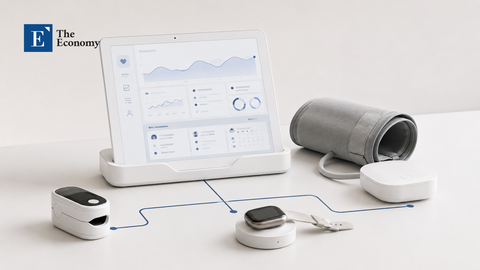
Home health and community-based rehabilitation are expanding. Many patients prefer to recover at home, while payers seek lower-cost alternatives to institutional care. This trend supports providers with integrated home health, therapy, remote monitoring, and care coordination capabilities.
Long-term care providers are also repositioning around acuity and specialization. Skilled nursing and senior living operators increasingly need to manage higher-acuity residents, memory care, rehabilitation after hospitalization, chronic disease support, medication management, and end-of-life care. Providers that combine residential care with clinical oversight, therapy services, and family support remain better positioned.
Technology adoption is gradually reshaping the sector. Electronic care records, therapy analytics, fall detection, remote monitoring, patient engagement tools, robotics-assisted rehabilitation, and AI-supported care planning are becoming more relevant. However, labor quality, staff retention, nursing culture, and regulatory compliance remain central determinants of long-term performance.
Methodology — Core Eligibility Criteria
To ensure structural consistency within the category, organizations considered for this ranking were evaluated based on the following eligibility conditions:
- Operates primarily as a rehabilitation, post-acute care, skilled nursing, long-term care, home health, senior care, or integrated recovery provider
- Provides services such as inpatient rehabilitation, outpatient therapy, skilled nursing, assisted living, memory care, home health, chronic care support, or post-hospital recovery
- Maintains meaningful institutional scale through multi-site operations, regional networks, specialist centers, or integrated care platforms
- Demonstrates relevance in hospital discharge pathways, payer networks, senior care markets, neurological recovery, musculoskeletal rehabilitation, or long-term residential care
- Maintains systems for clinical governance, therapy quality, nursing oversight, patient safety, care coordination, and regulatory compliance
Pure acute care hospitals, standalone physiotherapy clinics without broader institutional scale, general senior housing operators without meaningful healthcare services, and non-clinical real estate platforms were generally excluded.
Methodology — Ranking Factors
Organizations included in the ranking were evaluated using a combination of qualitative and structural considerations rather than short-term financial performance metrics. Key factors considered include:
- Scale and geographic reach of the rehabilitation or long-term care platform
- Breadth of inpatient, outpatient, home-based, and residential care services
- Strength of neurological, orthopedic, cardiac, pulmonary, and complex rehabilitation programs
- Integration with hospitals, physicians, payers, families, and community care networks
- Clinical governance, patient safety, nursing quality, and therapy infrastructure
- Role in post-acute recovery, hospital discharge management, and readmission reduction
- Long-term care capability, memory care, skilled nursing, and chronic disease support
- Institutional stability, brand reputation, and long-term platform resilience
The objective of the ranking is to identify rehabilitation and long-term care providers whose care platforms maintain sustained relevance within the global healthcare ecosystem.
The Healthcare Ranking Top 30 Rehabilitation & Long-Term Care Providers 2026 ranking evaluates organizations serving patients through rehabilitation, post-acute recovery, skilled nursing, home health, long-term residential care, and chronic care support.
The ranking universe consisted of approximately 100 rehabilitation and long-term care providers globally, from which 30 organizations were selected for inclusion.
Tier classifications reflect relative institutional positioning within the rehabilitation and long-term care provider segment and do not represent clinical outcome rankings, patient recommendations, or investment recommendations.
Company Profiles and Further Reference
Organization names appearing in this ranking are linked to their corresponding profiles in The Economy Wiki for companies. These profiles provide additional background on each institution, including its principal activities, clinical or commercial focus, market positioning, leadership, corporate information, related rankings, and analysis across The Economy Network.
The Economy Wiki profiles are maintained as editorial reference pages and may be updated as new public information becomes available. A linked profile does not affect ranking eligibility or tier classification.
Tier I — Leading Rehabilitation & Long-Term Care Providers
Encompass Health
- Headquarters: Birmingham, United States
- Founded: 1984
Encompass Health is one of the most important rehabilitation providers in the United States and a benchmark institution for inpatient rehabilitation care. The company operates a large network of inpatient rehabilitation hospitals focused on patients recovering from stroke, neurological disorders, cardiac and pulmonary conditions, brain and spinal cord injuries, orthopedic conditions, amputations, and other complex medical events.
The organization’s strength lies in its focused rehabilitation model. Unlike broader hospital operators, Encompass Health is centered on intensive inpatient rehabilitation, combining physician oversight, nursing care, physical therapy, occupational therapy, speech therapy, case management, and discharge planning within specialized hospital settings.
Encompass Health’s national scale gives it a strong position within post-acute care networks. Its hospitals serve as key partners for acute care systems seeking to discharge patients into clinically appropriate rehabilitation environments. The company’s recognition in the Newsweek and Statista rehabilitation center list further reinforces its public profile as a leading inpatient rehabilitation platform.
As healthcare systems increasingly seek providers that can improve function, reduce readmissions, and support medically complex recovery, Encompass Health remains one of the most structurally important rehabilitation providers in the global healthcare market.
Select Medical
- Headquarters: Mechanicsburg, United States
- Founded: 1996
Select Medical is a major post-acute and rehabilitation provider with a broad platform spanning critical illness recovery hospitals, inpatient rehabilitation hospitals, and outpatient rehabilitation clinics. As of June 30, 2025, the company reported 104 critical illness recovery hospitals, 36 rehabilitation hospitals, and 1,919 outpatient rehabilitation clinics across the United States.
The company’s institutional strength lies in its integrated post-acute model. Select Medical serves patients recovering from medically complex conditions, severe illness, neurological injury, orthopedic procedures, pulmonary disease, and functional impairment. Its outpatient rehabilitation network gives it additional reach across musculoskeletal care, sports medicine, neurological therapy, and chronic recovery pathways.
Select Medical’s platform is particularly relevant because post-acute care increasingly requires multiple levels of service. A patient may need critical illness recovery, inpatient rehabilitation, outpatient therapy, and long-term functional support. Select Medical’s diversified network allows it to participate across several stages of that recovery journey.
The company’s scale, specialty depth, and presence across both institutional and outpatient rehabilitation support its position among the leading rehabilitation and long-term care providers in 2026.
Shirley Ryan AbilityLab
- Headquarters: Chicago, United States
- Founded: 1954
Shirley Ryan AbilityLab is one of the world’s most recognized rehabilitation institutions, combining inpatient rehabilitation, outpatient therapy, research, technology development, and translational rehabilitation science. The organization is particularly known for its focus on physical medicine and rehabilitation, neurological recovery, spinal cord injury, brain injury, stroke, musculoskeletal care, pediatric rehabilitation, and assistive technology.
Its institutional model is distinctive because it integrates clinical rehabilitation with research and innovation. Rather than operating only as a care facility, Shirley Ryan AbilityLab is structured around improving human ability through therapy, neuroscience, biomechanics, robotics, prosthetics, and translational research.
The organization’s strength lies in its specialist reputation and concentration of expertise. Patients with complex rehabilitation needs often require coordinated physician, therapist, nursing, engineering, and technology-supported care. Shirley Ryan AbilityLab’s model is designed around this multidisciplinary requirement.
Its combination of clinical excellence, research orientation, specialist depth, and international recognition supports its position as a leading rehabilitation provider globally.
Lifepoint Rehabilitation
- Headquarters: Brentwood, United States
- Founded: 1999
Lifepoint Rehabilitation is an important provider of inpatient rehabilitation and post-acute services, operating rehabilitation hospitals and hospital-based rehabilitation units through partnerships with health systems. Its platform reflects the growing importance of embedded rehabilitation capacity within broader hospital networks.
The organization’s model is built around collaboration with acute care hospitals, allowing health systems to extend recovery pathways beyond the initial episode of care. This is especially important for patients recovering from stroke, orthopedic surgery, neurological injury, cardiac events, and medically complex conditions.
Lifepoint Rehabilitation’s strength lies in its partnership model. Many hospitals require rehabilitation capacity but may not have the operating expertise or scale to manage specialized units independently. Lifepoint provides clinical management, operational systems, therapy infrastructure, and post-acute care expertise.
As hospital systems seek more integrated discharge pathways and rehabilitation capacity, Lifepoint Rehabilitation remains a significant institutional platform within the U.S. rehabilitation market.
Korian / Clariane
- Headquarters: Paris, France
- Founded: 2003
Korian, now operating under the Clariane identity, is one of Europe’s major long-term care and senior healthcare providers. The group operates across nursing homes, post-acute and rehabilitation care, assisted living, home care, and senior services in several European markets.
The organization’s relevance lies in its scale and role within Europe’s aging society. Long-term care demand is rising across Europe as populations age and families require institutional support for frailty, dementia, chronic disease, rehabilitation, and post-hospital recovery.
Clariane’s platform reflects the convergence of residential care and healthcare. Modern long-term care providers are increasingly expected to manage nursing support, rehabilitation, medication oversight, cognitive impairment, chronic disease, and social care within structured residential environments.
The group’s European footprint, long-term care specialization, and senior care infrastructure support its position among leading rehabilitation and long-term care providers.
Tier II — Established Rehabilitation & Long-Term Care Providers
(Alphabetical order)
Amedisys
- Headquarters: Baton Rouge, United States
- Founded: 1982
Amedisys is a major U.S. home health and hospice provider with a platform focused on supporting patients outside institutional settings. Its services include skilled nursing, therapy, home health, hospice, and higher-acuity home-based care.
The company’s relevance to rehabilitation and long-term care lies in the continued shift from facility-based recovery to home-based care. Patients discharged from hospitals increasingly require nursing visits, physical therapy, occupational therapy, speech therapy, medication support, and chronic disease monitoring at home.
Amedisys’ strength lies in its national care coordination infrastructure and its role in supporting patients after acute hospitalization. As payers and families seek alternatives to prolonged institutional stays, home health providers with clinical scale remain increasingly important.
Brookdale Senior Living
- Headquarters: Brentwood, United States
- Founded: 1978
Brookdale Senior Living is one of the largest senior living operators in the United States, with services spanning independent living, assisted living, memory care, and skilled nursing in selected communities. Its platform serves older adults requiring residential support, personal care, cognitive support, and healthcare-related services.
The organization’s relevance lies in the intersection of senior housing and long-term care. As older adults live longer with chronic illness, mobility limitations, dementia, and post-hospital recovery needs, senior living communities increasingly function as part of the broader healthcare continuum.
Brookdale’s skilled nursing description emphasizes both recovery after major health events and long-term medical support, reflecting the dual role of senior care providers in rehabilitation and chronic care.
The company’s national brand, senior care infrastructure, and residential support model support its inclusion among established long-term care providers.
CareOne
- Headquarters: Fort Lee, United States
- Founded: 1999
CareOne is a U.S.-based post-acute and senior care provider operating skilled nursing centers, rehabilitation services, assisted living communities, and long-term care facilities. The organization serves patients recovering from hospitalization as well as residents requiring ongoing nursing and personal care support.
Its platform is particularly relevant in short-term rehabilitation, skilled nursing, and subacute care. Patients discharged from hospitals after surgery, stroke, illness, or injury often require structured therapy, nursing oversight, wound care, medication management, and discharge planning before returning home.
CareOne’s strength lies in its regional density and post-acute care orientation. In markets where hospitals rely on skilled nursing and rehabilitation partners, providers with established care coordination capabilities remain important.
Chartwell Retirement Residences
- Headquarters: Mississauga, Canada
- Founded: 2003
Chartwell Retirement Residences is one of Canada’s leading senior living providers, operating retirement communities and assisted living residences across the country. Its platform supports older adults requiring residential services, personal support, community-based care, and varying levels of assistance.
Although Chartwell is not primarily an inpatient rehabilitation provider, its relevance lies in long-term residential care and aging-in-place support. As Canada’s population ages, retirement residence operators increasingly form part of the broader care continuum, especially for seniors who require structured living environments and assistance with daily activities.
The organization’s strength lies in its national footprint, senior living specialization, and role in supporting older adults outside hospital settings. Its inclusion reflects the importance of residential long-term care within the healthcare ecosystem.
Extendicare
- Headquarters: Markham, Canada
- Founded: 1968
Extendicare is a Canadian long-term care and senior services provider with operations across long-term care homes, home health services, management services, and senior care support. The organization plays an important role in Canada’s aging care infrastructure.
Its platform is relevant because long-term care providers increasingly serve residents with complex medical, cognitive, functional, and social support needs. Nursing oversight, personal care, rehabilitation support, infection control, medication management, and family communication are central to this segment.
Extendicare’s strength lies in its long history, Canadian market position, and combination of facility-based and home-based senior care services. As demand for long-term care capacity continues to rise, providers with established operating infrastructure remain important.
LHC Group
- Headquarters: Lafayette, United States
- Founded: 1994
LHC Group is a major U.S. home health and community-based care provider focused on skilled nursing, therapy, hospice, and home-based support. Its platform is relevant to rehabilitation and long-term care because recovery and chronic care are increasingly delivered outside traditional facilities.
Home health providers play a key role after hospitalization, surgery, or acute illness. Patients may require physical therapy, occupational therapy, nursing care, disease education, wound care, medication support, and monitoring to avoid readmission.
LHC Group’s strength lies in its home-based care infrastructure and its partnerships with hospitals and healthcare systems. As value-based care and patient preference support care at home, providers like LHC Group remain structurally important within post-acute recovery pathways.
Orpea / Emeis
- Headquarters: Puteaux, France
- Founded: 1989
Orpea, rebranded as Emeis, is a major European long-term care and rehabilitation provider operating nursing homes, post-acute and rehabilitation clinics, mental health facilities, and senior care services across multiple countries.
The group’s inclusion reflects its international scale and concentration in long-term institutional care. Despite reputational and restructuring challenges in recent years, the organization remains one of the largest care platforms in Europe and continues to operate across markets where aging demographics create persistent demand.
Emeis’ strength lies in its broad European footprint and its involvement in both residential care and rehabilitation services. Its long-term relevance depends on governance renewal, quality improvement, operational stabilization, and public trust.
ProMedica Senior Care
- Headquarters: Toledo, United States
- Founded: 1986
ProMedica Senior Care is a U.S. senior care and post-acute provider historically associated with skilled nursing, rehabilitation, memory care, assisted living, and hospice services. Its platform serves patients recovering from acute hospital episodes as well as residents requiring longer-term support.
The organization’s relevance lies in the skilled nursing and post-acute care segment, which remains essential for patients who are not ready to return home after hospitalization but no longer require acute hospital care. These patients often need nursing support, rehabilitation therapy, nutrition support, wound care, and discharge planning.
ProMedica Senior Care’s institutional experience in post-acute and senior care supports its inclusion among established rehabilitation and long-term care providers.
Spaulding Rehabilitation Network
- Headquarters: Boston, United States
- Founded: 1971
Spaulding Rehabilitation Network is a major U.S. rehabilitation provider affiliated with Mass General Brigham and Harvard Medical School. Its platform includes inpatient rehabilitation, outpatient therapy, long-term acute care, skilled nursing-related services, and specialty rehabilitation programs.
Spaulding is especially relevant in neurological rehabilitation, spinal cord injury, brain injury, stroke recovery, musculoskeletal rehabilitation, pediatric rehabilitation, and adaptive sports medicine. Its academic affiliation strengthens its research, education, and specialist care profile.
The network’s strength lies in combining rehabilitation care with academic medicine. Patients with complex recovery needs benefit from physician-led rehabilitation, therapy teams, assistive technology, and research-informed care pathways.
Vivalto Santé
- Headquarters: Paris, France
- Founded: 2009
Vivalto Santé is a French private healthcare group with services spanning acute care, surgery, medical specialties, rehabilitation, and post-acute care. While broader than a pure rehabilitation provider, its role in rehabilitation and follow-up care within the French private healthcare system supports its inclusion in this category.
The organization’s relevance lies in its ability to combine hospital treatment with post-acute and rehabilitation pathways. Integrated providers that manage both procedural care and recovery services are increasingly important as healthcare systems seek smoother transitions from hospitalization to functional recovery.
Vivalto Santé’s French market position, private care network, and rehabilitation-related services support its standing among established providers.
Tier III — Specialist Rehabilitation & Long-Term Care Providers
(Alphabetical order)
Acadia Healthcare
- Core focus: behavioral-health hospitals, treatment facilities and specialist care
Acadia Healthcare is an established healthcare institution whose principal relevance to this ranking lies in behavioral-health hospitals, treatment facilities and specialist care. Its inclusion reflects an operating platform that is active, institutionally visible, and sufficiently developed to be assessed alongside other consequential participants in rehabilitation & Long-Term Care Providers.
Within this category, the important distinction is not scale alone. Buyers, patients, health systems, life-sciences sponsors, clinicians, or institutional partners—depending on the service—also need evidence of specialist depth, delivery infrastructure, governance, geographic reach, and the ability to support demanding use cases over time. Acadia Healthcare contributes a credible combination of these characteristics.
Acadia Healthcare is placed in Tier III because its category-specific capabilities are meaningful and commercially established, while its overall breadth, market influence, or international reach remains more focused than the institutions placed above it. The classification is intended as an editorial assessment of institutional position rather than a medical, investment, or procurement recommendation.
Atria Senior Living
- Core focus: senior living, assisted living and memory-care communities
Atria Senior Living is an established healthcare institution whose principal relevance to this ranking lies in senior living, assisted living and memory-care communities. Its inclusion reflects an operating platform that is active, institutionally visible, and sufficiently developed to be assessed alongside other consequential participants in rehabilitation & Long-Term Care Providers.
Within this category, the important distinction is not scale alone. Buyers, patients, health systems, life-sciences sponsors, clinicians, or institutional partners—depending on the service—also need evidence of specialist depth, delivery infrastructure, governance, geographic reach, and the ability to support demanding use cases over time. Atria Senior Living contributes a credible combination of these characteristics.
Atria Senior Living is placed in Tier III because its category-specific capabilities are meaningful and commercially established, while its overall breadth, market influence, or international reach remains more focused than the institutions placed above it. The classification is intended as an editorial assessment of institutional position rather than a medical, investment, or procurement recommendation.
Ciena Healthcare
- Core focus: skilled nursing and rehabilitation facilities
Ciena Healthcare is an established healthcare institution whose principal relevance to this ranking lies in skilled nursing and rehabilitation facilities. Its inclusion reflects an operating platform that is active, institutionally visible, and sufficiently developed to be assessed alongside other consequential participants in rehabilitation & Long-Term Care Providers.
Within this category, the important distinction is not scale alone. Buyers, patients, health systems, life-sciences sponsors, clinicians, or institutional partners—depending on the service—also need evidence of specialist depth, delivery infrastructure, governance, geographic reach, and the ability to support demanding use cases over time. Ciena Healthcare contributes a credible combination of these characteristics.
Ciena Healthcare is placed in Tier III because its category-specific capabilities are meaningful and commercially established, while its overall breadth, market influence, or international reach remains more focused than the institutions placed above it. The classification is intended as an editorial assessment of institutional position rather than a medical, investment, or procurement recommendation.
Craig Hospital
Craig Hospital is an established healthcare institution whose principal relevance to this ranking lies in rehabilitation & long-term care providers. Its inclusion reflects an operating platform that is active, institutionally visible, and sufficiently developed to be assessed alongside other consequential participants in rehabilitation & Long-Term Care Providers.
Within this category, the important distinction is not scale alone. Buyers, patients, health systems, life-sciences sponsors, clinicians, or institutional partners—depending on the service—also need evidence of specialist depth, delivery infrastructure, governance, geographic reach, and the ability to support demanding use cases over time. Craig Hospital contributes a credible combination of these characteristics.
Craig Hospital is placed in Tier III because its category-specific capabilities are meaningful and commercially established, while its overall breadth, market influence, or international reach remains more focused than the institutions placed above it. The classification is intended as an editorial assessment of institutional position rather than a medical, investment, or procurement recommendation.
Genesis HealthCare
- Core focus: post-acute, skilled nursing and rehabilitation services
Genesis HealthCare is an established healthcare institution whose principal relevance to this ranking lies in post-acute, skilled nursing and rehabilitation services. Its inclusion reflects an operating platform that is active, institutionally visible, and sufficiently developed to be assessed alongside other consequential participants in rehabilitation & Long-Term Care Providers.
Within this category, the important distinction is not scale alone. Buyers, patients, health systems, life-sciences sponsors, clinicians, or institutional partners—depending on the service—also need evidence of specialist depth, delivery infrastructure, governance, geographic reach, and the ability to support demanding use cases over time. Genesis HealthCare contributes a credible combination of these characteristics.
Genesis HealthCare is placed in Tier III because its category-specific capabilities are meaningful and commercially established, while its overall breadth, market influence, or international reach remains more focused than the institutions placed above it. The classification is intended as an editorial assessment of institutional position rather than a medical, investment, or procurement recommendation.
Honor / Home Instead
- Core focus: scaled home care, care technology and caregiver networks
Honor / Home Instead is an established healthcare institution whose principal relevance to this ranking lies in scaled home care, care technology and caregiver networks. Its inclusion reflects an operating platform that is active, institutionally visible, and sufficiently developed to be assessed alongside other consequential participants in rehabilitation & Long-Term Care Providers.
Within this category, the important distinction is not scale alone. Buyers, patients, health systems, life-sciences sponsors, clinicians, or institutional partners—depending on the service—also need evidence of specialist depth, delivery infrastructure, governance, geographic reach, and the ability to support demanding use cases over time. Honor / Home Instead contributes a credible combination of these characteristics.
Honor / Home Instead is placed in Tier III because its category-specific capabilities are meaningful and commercially established, while its overall breadth, market influence, or international reach remains more focused than the institutions placed above it. The classification is intended as an editorial assessment of institutional position rather than a medical, investment, or procurement recommendation.
Kessler Institute for Rehabilitation
Kessler Institute for Rehabilitation is an established healthcare institution whose principal relevance to this ranking lies in rehabilitation & long-term care providers. Its inclusion reflects an operating platform that is active, institutionally visible, and sufficiently developed to be assessed alongside other consequential participants in rehabilitation & Long-Term Care Providers.
Within this category, the important distinction is not scale alone. Buyers, patients, health systems, life-sciences sponsors, clinicians, or institutional partners—depending on the service—also need evidence of specialist depth, delivery infrastructure, governance, geographic reach, and the ability to support demanding use cases over time. Kessler Institute for Rehabilitation contributes a credible combination of these characteristics.
Kessler Institute for Rehabilitation is placed in Tier III because its category-specific capabilities are meaningful and commercially established, while its overall breadth, market influence, or international reach remains more focused than the institutions placed above it. The classification is intended as an editorial assessment of institutional position rather than a medical, investment, or procurement recommendation.
PACS Group
- Core focus: post-acute care facilities and rehabilitation operations
PACS Group is an established healthcare institution whose principal relevance to this ranking lies in post-acute care facilities and rehabilitation operations. Its inclusion reflects an operating platform that is active, institutionally visible, and sufficiently developed to be assessed alongside other consequential participants in rehabilitation & Long-Term Care Providers.
Within this category, the important distinction is not scale alone. Buyers, patients, health systems, life-sciences sponsors, clinicians, or institutional partners—depending on the service—also need evidence of specialist depth, delivery infrastructure, governance, geographic reach, and the ability to support demanding use cases over time. PACS Group contributes a credible combination of these characteristics.
PACS Group is placed in Tier III because its category-specific capabilities are meaningful and commercially established, while its overall breadth, market influence, or international reach remains more focused than the institutions placed above it. The classification is intended as an editorial assessment of institutional position rather than a medical, investment, or procurement recommendation.
Powerback Rehabilitation
- Core focus: post-hospital rehabilitation, therapy and home-based recovery
Powerback Rehabilitation is an established healthcare institution whose principal relevance to this ranking lies in post-hospital rehabilitation, therapy and home-based recovery. Its inclusion reflects an operating platform that is active, institutionally visible, and sufficiently developed to be assessed alongside other consequential participants in rehabilitation & Long-Term Care Providers.
Within this category, the important distinction is not scale alone. Buyers, patients, health systems, life-sciences sponsors, clinicians, or institutional partners—depending on the service—also need evidence of specialist depth, delivery infrastructure, governance, geographic reach, and the ability to support demanding use cases over time. Powerback Rehabilitation contributes a credible combination of these characteristics.
Powerback Rehabilitation is placed in Tier III because its category-specific capabilities are meaningful and commercially established, while its overall breadth, market influence, or international reach remains more focused than the institutions placed above it. The classification is intended as an editorial assessment of institutional position rather than a medical, investment, or procurement recommendation.
Priory Group
Priory Group is an established healthcare institution whose principal relevance to this ranking lies in rehabilitation & long-term care providers. Its inclusion reflects an operating platform that is active, institutionally visible, and sufficiently developed to be assessed alongside other consequential participants in rehabilitation & Long-Term Care Providers.
Within this category, the important distinction is not scale alone. Buyers, patients, health systems, life-sciences sponsors, clinicians, or institutional partners—depending on the service—also need evidence of specialist depth, delivery infrastructure, governance, geographic reach, and the ability to support demanding use cases over time. Priory Group contributes a credible combination of these characteristics.
Priory Group is placed in Tier III because its category-specific capabilities are meaningful and commercially established, while its overall breadth, market influence, or international reach remains more focused than the institutions placed above it. The classification is intended as an editorial assessment of institutional position rather than a medical, investment, or procurement recommendation.
Ryman Healthcare
Ryman Healthcare is an established healthcare institution whose principal relevance to this ranking lies in rehabilitation & long-term care providers. Its inclusion reflects an operating platform that is active, institutionally visible, and sufficiently developed to be assessed alongside other consequential participants in rehabilitation & Long-Term Care Providers.
Within this category, the important distinction is not scale alone. Buyers, patients, health systems, life-sciences sponsors, clinicians, or institutional partners—depending on the service—also need evidence of specialist depth, delivery infrastructure, governance, geographic reach, and the ability to support demanding use cases over time. Ryman Healthcare contributes a credible combination of these characteristics.
Ryman Healthcare is placed in Tier III because its category-specific capabilities are meaningful and commercially established, while its overall breadth, market influence, or international reach remains more focused than the institutions placed above it. The classification is intended as an editorial assessment of institutional position rather than a medical, investment, or procurement recommendation.
Sunrise Senior Living
- Core focus: assisted living, memory care and senior communities
Sunrise Senior Living is an established healthcare institution whose principal relevance to this ranking lies in assisted living, memory care and senior communities. Its inclusion reflects an operating platform that is active, institutionally visible, and sufficiently developed to be assessed alongside other consequential participants in rehabilitation & Long-Term Care Providers.
Within this category, the important distinction is not scale alone. Buyers, patients, health systems, life-sciences sponsors, clinicians, or institutional partners—depending on the service—also need evidence of specialist depth, delivery infrastructure, governance, geographic reach, and the ability to support demanding use cases over time. Sunrise Senior Living contributes a credible combination of these characteristics.
Sunrise Senior Living is placed in Tier III because its category-specific capabilities are meaningful and commercially established, while its overall breadth, market influence, or international reach remains more focused than the institutions placed above it. The classification is intended as an editorial assessment of institutional position rather than a medical, investment, or procurement recommendation.
The Ensign Group
- Core focus: skilled nursing, senior living and post-acute operations
The Ensign Group is an established healthcare institution whose principal relevance to this ranking lies in skilled nursing, senior living and post-acute operations. Its inclusion reflects an operating platform that is active, institutionally visible, and sufficiently developed to be assessed alongside other consequential participants in rehabilitation & Long-Term Care Providers.
Within this category, the important distinction is not scale alone. Buyers, patients, health systems, life-sciences sponsors, clinicians, or institutional partners—depending on the service—also need evidence of specialist depth, delivery infrastructure, governance, geographic reach, and the ability to support demanding use cases over time. The Ensign Group contributes a credible combination of these characteristics.
The Ensign Group is placed in Tier III because its category-specific capabilities are meaningful and commercially established, while its overall breadth, market influence, or international reach remains more focused than the institutions placed above it. The classification is intended as an editorial assessment of institutional position rather than a medical, investment, or procurement recommendation.
TIRR Memorial Hermann
TIRR Memorial Hermann is an established healthcare institution whose principal relevance to this ranking lies in rehabilitation & long-term care providers. Its inclusion reflects an operating platform that is active, institutionally visible, and sufficiently developed to be assessed alongside other consequential participants in rehabilitation & Long-Term Care Providers.
Within this category, the important distinction is not scale alone. Buyers, patients, health systems, life-sciences sponsors, clinicians, or institutional partners—depending on the service—also need evidence of specialist depth, delivery infrastructure, governance, geographic reach, and the ability to support demanding use cases over time. TIRR Memorial Hermann contributes a credible combination of these characteristics.
TIRR Memorial Hermann is placed in Tier III because its category-specific capabilities are meaningful and commercially established, while its overall breadth, market influence, or international reach remains more focused than the institutions placed above it. The classification is intended as an editorial assessment of institutional position rather than a medical, investment, or procurement recommendation.
Voyage Care
- Core focus: specialist support and residential care for complex needs
Voyage Care is an established healthcare institution whose principal relevance to this ranking lies in specialist support and residential care for complex needs. Its inclusion reflects an operating platform that is active, institutionally visible, and sufficiently developed to be assessed alongside other consequential participants in rehabilitation & Long-Term Care Providers.
Within this category, the important distinction is not scale alone. Buyers, patients, health systems, life-sciences sponsors, clinicians, or institutional partners—depending on the service—also need evidence of specialist depth, delivery infrastructure, governance, geographic reach, and the ability to support demanding use cases over time. Voyage Care contributes a credible combination of these characteristics.
Voyage Care is placed in Tier III because its category-specific capabilities are meaningful and commercially established, while its overall breadth, market influence, or international reach remains more focused than the institutions placed above it. The classification is intended as an editorial assessment of institutional position rather than a medical, investment, or procurement recommendation.
Remarks
Rehabilitation and long-term care providers continue to play a growing role in healthcare systems as patients require structured recovery, chronic disease support, senior care, and functional improvement beyond the acute hospital setting. These organizations are increasingly important to hospital discharge planning, aging society infrastructure, payer strategy, and patient quality of life.
The institutions recognized in this ranking represent providers whose care platforms maintain sustained relevance across inpatient rehabilitation, outpatient therapy, skilled nursing, home health, senior living, long-term care, and post-acute recovery. Tier classification reflects relative institutional positioning within the rehabilitation and long-term care sector rather than direct clinical quality rankings.
Tier classification reflects relative operating scale, rehabilitation specialization, long-term care capability, care coordination infrastructure, clinical governance, patient safety systems, and institutional resilience. The ranking does not constitute a medical recommendation, patient referral guidance, investment recommendation, or evaluation of individual physicians, therapists, nurses, or care workers.
Recognition
Inclusion in the Top 30 Rehabilitation & Long-Term Care Providers 2026 ranking is an editorial determination of The Economy Rankings and is independent of licensing, advertising, sponsorship, or other commercial participation.
Ranked organizations may factually refer to their inclusion in the ranking in their own communications. When describing the result, institutions should accurately reflect the tier structure and methodology used in the published ranking.
How the ranking should be interpreted
- Tier I represents the Top 5 institutions, and the published order within Tier I reflects the ranking order.
- Tier II represents institutions ranked within the Top 15, following Tier I. Institutions within Tier II are displayed alphabetically; their displayed order should therefore not be interpreted as an individual numerical ranking.
- Tier III represents institutions ranked within the Top 30, following Tiers I and II. Institutions within Tier III are also displayed alphabetically, and their displayed order should not be interpreted as an individual numerical ranking.
- An institution’s tier, rather than its alphabetical position within Tier II or Tier III, should therefore be used when describing its standing.
Referencing the ranking
Depending on the institution’s published tier, appropriate factual descriptions may include:
- Tier I: “Ranked Tier I” or “Ranked among the Top 5”
- Tier II: “Ranked Tier II” or “Ranked among the Top 15”
- Tier III: “Ranked Tier III” or “Ranked among the Top 30”
Organizations should not describe an alphabetical position within Tier II or Tier III as a specific numerical rank.
Use of The Economy Rankings recognition materials
Editorial inclusion in a ranking does NOT by itself grant permission to use The Economy Rankings badges, seals, logos, official recognition graphics, licensed quotations, or other proprietary recognition materials.
Organizations wishing to use official The Economy Rankings recognition materials in corporate websites, marketing materials, investor communications, patient or professional communications, presentations, social media, press releases, or other external communications should refer to the applicable licensing terms and usage policies:
- The Economy Rankings License Structure — available licence levels and permitted recognition uses
Rankings License Structure | The Economy - The Economy Rankings License Policy — licensing conditions governing use of The Economy Rankings recognition, marks, and related materials
The Economy Rankings License Policy | The Economy - Recognition Use Guide — guidance on permitted wording, presentation, attribution, and use of ranking recognition
Recognition Use Guide | The Economy
Ranking inclusion remains editorially independent regardless of whether an organization purchases or holds a recognition-materials licence.
Licensing inquiries:
[email protected]

Review categories
- Academic Medical Centers
- Private Hospital Groups
- Specialty Hospitals
- Private Clinics & Day Surgery Centers
- Centers of Excellence
- Cross-Border Healthcare & Medical Tourism Providers
- Rehabilitation & Long-Term Care Providers
- Executive Health & Medical Concierge Programs
[email protected]
Similar Post